Preparing for Your Puppy’s First Night
Bringing home a new puppy is an exciting time, filled with joy and anticipation. But, as a new pet parent, you may also feel a bit overwhelmed, especially when it comes to preparing for your puppy’s first night. The key to a smooth transition for both you and your puppy is preparation and patience. In this guide, we’ll cover everything you need to know about your puppy’s first night, including where they should sleep, how to crate train them, and tips for overnight success.
The Importance of the First Night
The first night with a new puppy is crucial. It’s their first experience away from their mother and littermates, and they may feel anxious or scared. Your goal is to make them feel safe and secure in their new environment, which will set the tone for your relationship and their behavior in the future.
Creating a Comfortable Sleeping Environment
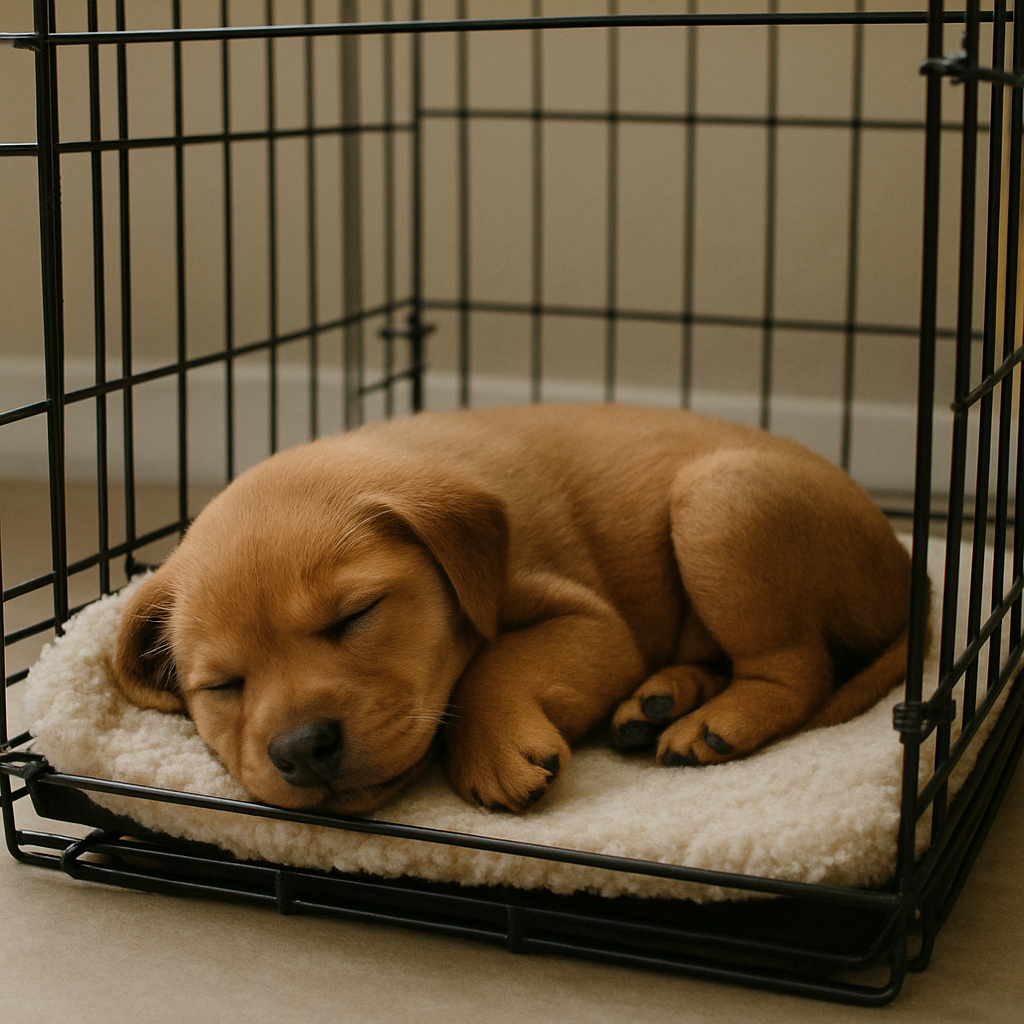
Where should your puppy sleep on their first night home? The answer depends on your long-term plans for their sleeping arrangements. Many pet experts recommend starting with a crate. Crate training can provide your puppy with a sense of security, similar to a den, and can aid in housebreaking.
Choosing the Right Crate
When choosing a crate for your puppy, ensure it’s large enough for them to stand up, turn around, and lie down comfortably. However, it shouldn’t be so large that they have room to soil in one corner and sleep in another. If you’re buying a crate for them to grow into, consider one with a divider.

Positioning the Crate
For the first few nights, place the crate in your bedroom or somewhere close to you. Your presence will be reassuring to your puppy, and you’ll be able to hear if they need to go out during the night.
Crate Training: The First Night
Crate training a puppy overnight requires consistency and patience. Here’s a step-by-step guide to help your puppy adjust to their new sleeping space.
Introducing the Crate
Start by introducing your puppy to the crate during the day. Place a soft blanket and a few toys inside and encourage them to explore it. Use treats to create positive associations with the crate. Let them go in and out freely without closing the door initially.
Establishing a Crate Training Schedule
Before bedtime, make sure your puppy has had plenty of exercise and has gone to the bathroom. A tired puppy is more likely to settle down and sleep through the night. Create a bedtime routine that includes a last potty break, some quiet time, and perhaps a small treat to encourage calm behavior.
Settling Your Puppy for the Night
When it’s time for bed, gently place your puppy in the crate with a treat and a comforting toy or blanket. Close the crate door and reassure them with a calm voice. It’s natural for them to whine or cry, but avoid letting them out immediately. Instead, wait until they quiet down, even for a moment, before opening the crate.
Handling Nighttime Wake-ups
Puppies have small bladders and may need to relieve themselves during the night. If your puppy wakes up and cries, take them outside for a quick potty break, then return them to the crate. Keep interactions calm and minimal to reinforce the idea that nighttime is for sleeping.
Overcoming Common Challenges
Training your puppy to sleep in a crate can come with challenges. Here are some common issues and how to address them.
Whining and Crying
It’s normal for puppies to whine during the first few nights. If they cry, wait a few minutes before responding. If the crying persists, take them outside for a quick bathroom break, then return them to the crate. Avoid giving too much attention during this time to prevent reinforcing the behavior.
Refusing the Crate
If your puppy refuses to go into the crate, try feeding them their meals inside or tossing treats and toys to make it more inviting. Be patient and never force them into the crate, as this can create negative associations.
Accidents in the Crate
If your puppy has an accident in the crate, don’t scold them. Clean it thoroughly to remove any odors and ensure they have enough bathroom breaks throughout the day and night.
Tips for Success
Here are some additional tips to help your puppy adjust to their new nighttime routine:
- Patience is Key: Remember that crate training is a process that takes time. Be patient and consistent with your approach.
- Stick to a Routine: Establish a routine for feeding, bathroom breaks, and bedtime to help your puppy understand what to expect.
- Provide Comfort: Consider using a comforting item like a ticking clock or a warm water bottle wrapped in a towel to mimic the warmth and heartbeat of their littermates.

by Donald Tran (https://unsplash.com/@donald_tr4n)
When to Seek Help
If your puppy continues to struggle with sleeping in the crate after a few weeks or if you notice signs of distress, it may be helpful to consult a professional dog trainer or behaviorist for guidance.
Final Thoughts
Preparing for your puppy’s first night is an essential step in welcoming them into your home. By creating a comfortable sleeping environment, implementing a crate training schedule, and being patient and consistent, you’ll help your puppy feel secure and establish good habits that will last a lifetime.
Bringing a puppy home is a joyful experience, and with the right preparation, you can ensure that their first night and beyond are as smooth as possible. Embrace the journey, and enjoy every moment with your new furry friend.