Does Your Dog Need A Board And Train Program?
In this article, we’ll delve into the specifics of what a board and train program entails and how it compares to other common training methods. We’ll help you recognize signs that indicate your dog might benefit from this program. Additionally, we’ll provide valuable tips on finding the most suitable program for your needs by leveraging search terms like “dog training near me” or “obedience trainer near me.”
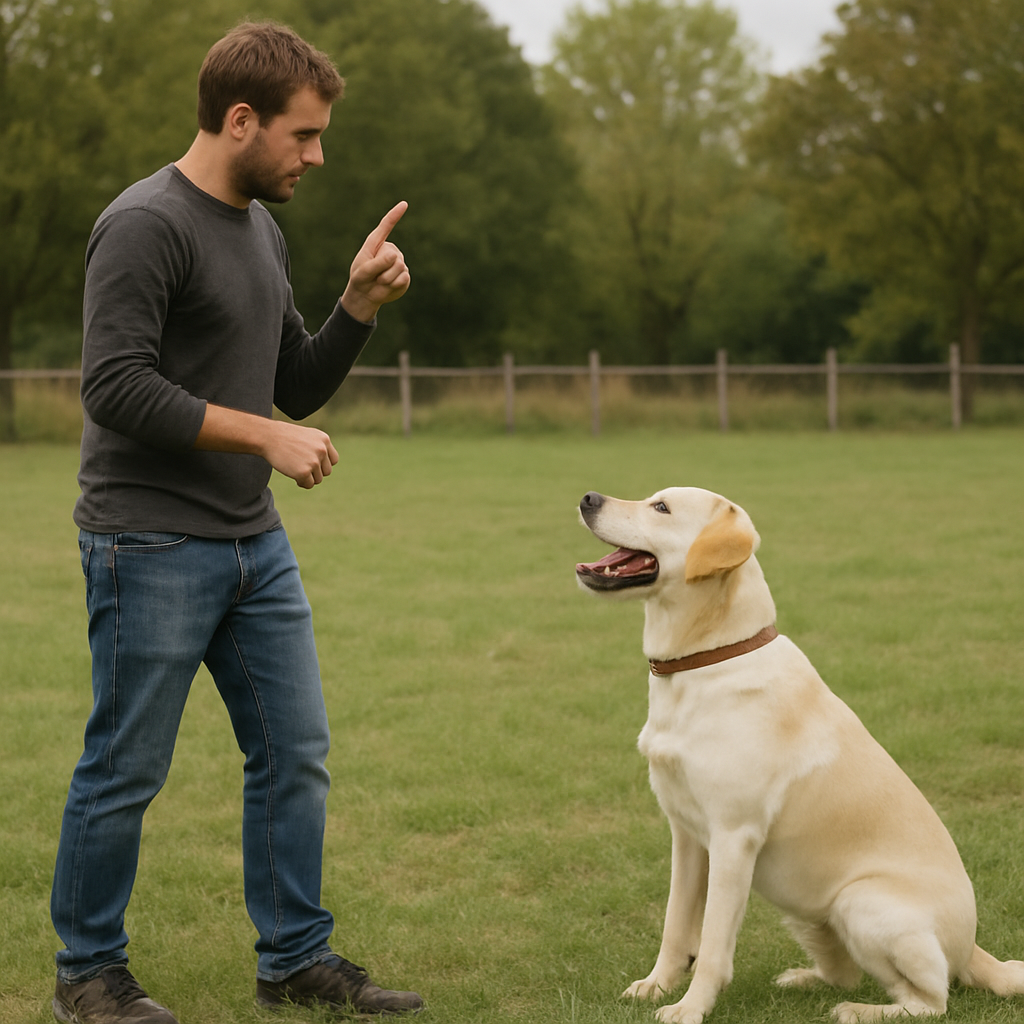
A board and train program is a comprehensive training approach where your dog stays at a trainer’s facility for a set duration. During this period, the trainer works intensively with your dog on various obedience and behavior issues, ensuring that the training is both structured and consistent. These programs typically last from two to four weeks, although the duration can be adjusted based on the dog’s specific requirements and the training goals set by the owner and trainer.
This type of training is particularly beneficial for pet owners who may lack the time, expertise, or patience required to train their dogs independently. It offers a controlled environment where dogs can learn and reinforce positive behaviors under the watchful eye of professional trainers. For dogs with more complex behavioral issues, the focused approach of a board and train program can be particularly effective, providing a foundation for long-term behavioral improvement.
How Does Board and Train Compare to Other Training Methods?
In-Home Training
In-home training involves a trainer coming to your home to work with you and your dog in your natural environment. This method offers the benefit of personalized attention and convenience, allowing the trainer to address behaviors specific to the home setting. However, it may lack the intensive focus and structured environment that a board and train program provides, which can be crucial for dogs with more challenging behavioral issues.
In-home training can also be limited by the owner’s availability and consistency in implementing the trainer’s recommendations. The flexibility of the home environment might lead to distractions that can hinder the dog’s ability to learn and retain new behaviors. Thus, while in-home training is convenient, it may not be as effective for dogs needing more rigorous or specialized training.
Group Classes
Group classes are another popular training option that allows dogs to socialize with other pets while learning basic obedience commands. They are often more affordable and provide an opportunity for dogs to learn in a social setting, which can be beneficial for enhancing their social skills. However, the level of distraction in a group setting can sometimes hinder progress, especially for dogs with specific behavioral issues or those who require individualized attention.
Moreover, group classes typically follow a set curriculum that may not address the unique needs of every dog. Owners may find that while their dog learns basic commands, more complex behavioral issues remain unaddressed. For dogs needing a tailored approach, a board and train program might offer a more suitable solution.
DIY Training
DIY training involves pet owners training their dogs independently, often using books, online resources, or videos. This method is cost-effective and allows owners to train at their own pace, fostering a deeper bond between the owner and their pet. However, it requires a significant time commitment and may not effectively address all behavioral concerns, particularly for owners who lack experience in dog training.
Without professional guidance, there’s also the risk of reinforcing incorrect behaviors or not addressing issues promptly. Owners may find themselves frustrated if progress is slow or if they encounter unexpected challenges. For those who struggle with the DIY approach, seeking professional help through a board and train program could be a beneficial alternative.
Signs Your Dog Might Benefit from a Board and Train Program

Certain behaviors and circumstances might indicate that a board and train program is the right choice for your dog. Recognizing these signs can help you make an informed decision about the best training approach for your pet.
Persistent Behavioral Problems
If your dog exhibits persistent behavioral problems, such as aggression, anxiety, or excessive barking, a board and train program can provide the focused attention needed to address these issues. The structured environment and professional expertise ensure that these behaviors are tackled with proven methods that promote positive change.
Dogs with persistent behavioral issues often require a consistent and intensive approach to modify their behavior effectively. A board and train program can isolate the dog from triggers while allowing trainers to implement targeted strategies that address the root of the problems.
Lack of Time for Training
For busy pet owners who find it challenging to dedicate time to consistent training, a board and train program offers a convenient solution. Your dog receives professional training while you focus on your daily responsibilities, ensuring that your pet’s behavioral needs are met without compromising your schedule.
Time constraints can lead to inconsistent training, which may confuse your dog and slow down progress. By opting for a board and train program, you ensure that your dog receives the necessary attention and consistency to learn and retain new behaviors effectively.
Desire for Advanced Training
If you’re interested in advanced obedience training or specialized skills, a board and train program can offer the expertise required to achieve these goals. Trainers can work on specific commands, agility training, or even tricks, providing a level of training that might be difficult to achieve independently.
Advanced training often requires specialized knowledge and techniques that professional trainers are well-equipped to provide. Whether you’re looking to prepare your dog for competitive events or simply wish to enhance their obedience and skills, a board and train program can be an excellent choice.
Finding the Right Board and Train Program
When searching for a board and train program, it’s essential to do your research to ensure you find a reputable trainer. The right program can make a significant difference in your dog’s behavior and overall well-being.
Use Local Search Terms
Start by using local search terms like “board and train near me,” “dog trainer near me,” or “dog behaviorist near me.” This will help you find programs available in your area, making it easier to visit the facility and meet the trainer in person.
Local searches also allow you to connect with other pet owners in your community who might have recommendations or insights about their experiences with local trainers. This word-of-mouth feedback can be invaluable in choosing the right program.
Check Credentials and Experience
Research the trainer’s credentials and experience. Look for certifications from reputable organizations such as the International Association of Canine Professionals (IACP) or the Certification Council for Professional Dog Trainers (CCPDT). These certifications indicate that the trainer has met specific standards of knowledge and professionalism.
Consider the trainer’s experience with dogs that have similar behavioral issues to yours. A trainer with a track record of successfully working with dogs facing similar challenges can offer the expertise and assurance you need.
Read Reviews and Testimonials
Look for online reviews and testimonials from previous clients. This can give you insight into the trainer’s methods, success rate, and overall client satisfaction. Positive reviews from other pet owners can provide reassurance about the quality of training your dog will receive.
In addition to online reviews, consider reaching out to the trainer for references. Speaking directly with past clients can provide a more comprehensive understanding of the trainer’s approach and effectiveness.
Visit the Facility
Schedule a visit to the training facility to observe the environment and meet the trainer in person. This will allow you to assess the cleanliness, safety, and overall atmosphere of the facility, ensuring it meets your standards for your dog’s care.
During your visit, observe how the trainer interacts with other dogs and ask questions about their training techniques. This firsthand experience can help you gauge whether the program aligns with your expectations and values.
What to Expect from a Board and Train Program

by Fridi Antrack (https://unsplash.com/@fr1d1)
During a board and train program, your dog will stay at the trainer’s facility and participate in daily training sessions. These sessions are designed to address a range of behaviors and skills, providing a well-rounded training experience.
- Basic obedience commands like sit, stay, come, and heel are typically taught or reinforced, forming the foundation for further training.
- Addressing specific behavioral issues such as jumping, leash pulling, or aggression is often a focus, ensuring that problematic behaviors are corrected.
- Socialization with other dogs and people helps improve your dog’s confidence and ability to interact positively with others.
- Confidence-building exercises are incorporated to help your dog become more adaptable and resilient in various situations.
At the end of the program, most trainers offer a transfer session where they teach you how to reinforce the training your dog received. This is crucial to ensure that the training continues at home and that your dog retains the new behaviors. The transfer session also provides you with the tools and confidence needed to maintain and build upon the progress your dog has made.
Pros and Cons of a Board and Train Program
Pros
- Intensive, focused training tailored to your dog’s needs ensures that behavioral issues are addressed comprehensively.
- Professional guidance from experienced trainers provides expertise and assurance that your dog is in capable hands.
- Structured environment with minimal distractions allows for uninterrupted learning and progress.
- Faster results compared to other training methods can be achieved, making it an appealing choice for those seeking quick improvements.
Cons
- Can be costly compared to other training options, requiring a financial commitment that may not be feasible for all pet owners.
- Limited owner involvement during the training process means that you may miss out on bonding experiences and firsthand learning.
- Potential stress for dogs unaccustomed to being away from home can occur, although most programs aim to minimize this through careful acclimation.
Conclusion
A board and train program can be an excellent choice for pet owners seeking professional help with their dog’s training. It offers a structured, intensive environment that can address a wide range of behavioral issues and obedience training needs effectively.
When choosing a program, consider your dog’s specific needs, your budget, and the trainer’s credentials. By using search terms like “puppy trainer near me” or “obedience training near me,” you can find a program that meets your requirements and offers the best chance for success.
Ultimately, the right board and train program can lead to a well-behaved, happy dog and a more harmonious relationship between you and your furry companion. With the right approach, you’ll not only improve your dog’s behavior but also enhance the quality of life for both you and your pet.