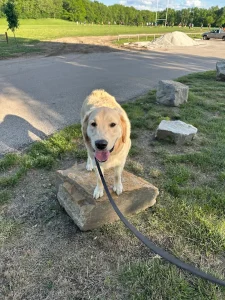
Hiring a dog trainer in Kansas City, MO is one of the highest-leverage decisions you’ll make as a dog owner. Pick the right one and your dog becomes calmer, more confident, and easier to live with for the next decade. Pick the wrong one and you’ll spend twice as much fixing the damage. This guide walks you through what to look for, what to avoid, and what local training actually costs — so you can choose with clarity instead of guessing.
What to Look for in a Kansas City Dog Trainer
Not every dog trainer in Kansas City is built the same. Before you book a single session, run any prospective trainer through these five filters:
- Verifiable results with dogs like yours. Ask for video, before/after stories, or referrals from clients whose dogs had similar issues — reactivity, anxiety, leash pulling, recall failures.
- A clear methodology they can explain in plain English. If a trainer can’t tell you why a technique works, they’re following a script, not training your dog.
- Experience with Missouri-specific challenges. The kansas city metro’s mix of humid summers and cold, snowy winters, local environments, and seasonal shifts creates training conditions worth a local trainer’s understanding.
- Comfortable handling your dog’s specific size and temperament. A trainer who specializes in 8-week-old puppies isn’t necessarily the right fit for a 90-pound reactive German Shepherd.
- Willingness to involve you in the process. The trainer trains the dog. The dog still has to live with you. If your role isn’t part of the program, the results won’t last.
Types of Dog Training Available in Kansas City
Most Kansas City dog trainers offer one or more of the following formats. Knowing which one matches your situation saves weeks of trial and error.
Board and Train
Your dog stays with the trainer for two to four weeks of immersive, daily training. This is the fastest path to behavior change for dogs with serious issues — aggression, severe anxiety, reactivity, or zero foundation. Best fit when you need significant transformation in a short window. Learn more about our board and train program in Kansas City.
Private In-Home and Private Lessons
The trainer works with you and your dog one-on-one — often in your home or in their training facility. Strong choice for dogs with location-specific issues — reactivity to visitors, leash pulling on your specific neighborhood routes, or household-specific guarding behaviors. See our private lesson options.
Group Obedience Classes
Best for puppies and dogs that need socialization alongside basic obedience. The lower price point makes group classes accessible, but they can’t go deep on individual issues. Treat group classes as foundation-building, not problem-solving.
Puppy Training
The first 16 weeks of a puppy’s life shape behavior for a lifetime. Dedicated puppy programs in Kansas City focus on socialization, bite inhibition, crate training, and the foundation behaviors that prevent the issues most adult dogs end up needing fixed. See our puppy training options.
Red Flags: What to Avoid in a Kansas City Dog Trainer
The dog training industry is unregulated. Anyone can call themselves a trainer. These red flags appear often enough in the Missouri market that they’re worth memorizing:
- Guarantees of “100% results.” No legitimate trainer guarantees behavior — too many variables involve the owner, environment, and dog’s individual history.
- One-size-fits-all programs. A trainer who runs every dog through the identical curriculum isn’t training, they’re processing.
- No willingness to show their work. If they won’t let you observe a session, watch a current client’s progress, or talk to past clients, walk away.
- Pure punishment-only or pure treat-only dogma. Dogs are individuals. A trainer who can only operate in one mode lacks the toolkit to handle yours.
- Pressure to commit to a long contract before they’ve met your dog. Reputable trainers do an evaluation first.
What Does Dog Training Cost in Kansas City, MO?
Kansas City dog training pricing in 2026 generally falls into these ranges:
| Format | Typical Range | Best For |
|---|---|---|
| Group classes | $150–$350 / 6-week course | Puppies, basic obedience |
| Private lessons | $100–$200 / hour | Targeted behavior issues |
| Day training | $80–$150 / day | Busy owners, foundation work |
| Board and train | $2,500–$6,000 / 2–4 weeks | Serious behavior, fast results |
Cheaper isn’t always cheaper. A $200 group class that doesn’t fix your dog’s reactivity costs you $200 plus another $3,000 in board-and-train next year. The right format the first time is the most affordable option in the long run.
Why Local Kansas City Experience Matters
A trainer who understands Kansas City and Jackson County specifically will work better than a generic out-of-area pro. Here’s why:
- Climate awareness. Kansas City sees humid summers and cold, snowy winters. A local trainer knows how to keep training consistent year-round and how to work with seasonal coat changes, allergies, and energy shifts.
- Real-world environments. Training your dog in the trainer’s quiet facility is one thing. Training them at Loose Park, in a the Country Club Plaza parking lot, or near Swope Park is the actual test. Local trainers can run those environments.
- Community network. A Kansas City trainer with local roots can refer you to vets, groomers, daycares, and behaviorists they personally trust.
- Missouri dog culture. Local neighborhoods, daily walking routes, and frequent visitors create predictable training challenges. Local experience reads them natively.
How to Make Your Decision
Once you’ve shortlisted two or three dog trainers in Kansas City, run this final check:
- Schedule an in-person consult or evaluation with each.
- Watch how they interact with your dog — body language, calmness, confidence.
- Ask: “What would the first session look like, and what should I expect after the first week?” Vague answers = vague trainer.
- Trust your gut on the human chemistry. You’re going to be working with this person closely. If something feels off in the consult, it’ll feel worse in week three.
Frequently Asked Questions
How long does dog training in Kansas City usually take?
For basic obedience, 6–8 weeks of consistent work. For serious behavior issues like reactivity or aggression, plan on 3–6 months including follow-up. Board and train compresses the initial transformation into 2–4 weeks but the owner work continues afterward.
What’s the best age to start training a dog?
Eight weeks. Earlier is better for foundation behaviors and socialization. That said, dogs of any age can be trained — “old dog, new tricks” is a myth. We’ve reformed dogs in Kansas City at 8 years old.
Can I train my dog myself instead of hiring a Kansas City trainer?
For a stable, biddable dog with no behavior issues — yes, with discipline and good resources. For a dog with reactivity, anxiety, aggression, or who’s hit a wall in your DIY work, professional help saves you years of frustration and potential safety issues.
Are Missouri dog trainers licensed?
No — Missouri does not license dog trainers. This is exactly why vetting your trainer carefully matters. Look for verifiable results, transparent methods, and willingness to be observed.
Ready to Work with a Trusted Kansas City Dog Trainer?
At Kansas City K9 Academy, we’ve trained hundreds of the Kansas City metro dogs across every breed, age, and behavior profile — from 8-week-old puppies to working breeds with serious reactivity. Every program starts with a real evaluation of your dog and your goals, not a one-size-fits-all curriculum. Explore our training services or reach out today to book a consultation.
Ready to start with Kansas City K9 Academy?
Our Kansas City trainers deliver structured obedience and behavior programs built on proven results.