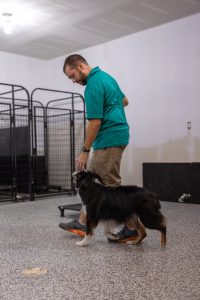
Which of the 4 types of dog training should your pup get?

Dog training is essential for a variety of reasons. It helps establish a bond between you and your pet, sets boundaries, and improves the overall behavior of your dog. A well-trained dog is not only a delight to have around the house but also less likely to encounter accidents or cause disruptions. Whether you’re searching for “dog training near me” or considering different methods, understanding the benefits of training will guide you in making an informed decision.
Moreover, training provides mental stimulation and physical exercise for your dog, which are crucial for their well-being. It encourages positive interactions with other dogs and people, reducing the likelihood of fear or aggression-based responses. Training also strengthens your dog’s confidence and enhances their ability to adapt to new situations, making them more resilient to changes in their environment.
Obedience Training
Obedience training is the foundation of all types of training programs. It focuses on teaching your dog basic commands such as sit, stay, come, and heel. This type of training is crucial for ensuring that your dog follows your directions and behaves appropriately in different situations. It’s the bedrock of a well-mannered dog and lays the groundwork for more advanced training endeavors.
Benefits of Obedience Training
Obedience training can help prevent behavioral issues by establishing clear rules and expectations. By setting these boundaries early, you reduce the risk of your dog developing unwanted habits like chewing furniture or pulling on the leash. A well-trained dog is less likely to display aggressive behaviors, bark excessively, or jump on guests. Additionally, obedience training enhances communication between you and your dog, making daily interactions smoother and more enjoyable for both parties.
Furthermore, obedience training can significantly improve the safety of your dog. Teaching commands like “stay” or “come” can be lifesaving in dangerous situations, such as preventing your dog from running into traffic. It also allows you to manage your dog more effectively in public spaces, ensuring that they are welcome in more environments and can enjoy a wider range of experiences.
Finding an Obedience Trainer Near You
When looking for “obedience training near me,” consider the credentials and experience of the trainer. A qualified obedience trainer will have a proven track record and can provide references from satisfied clients. It’s important to observe a class if possible, to see how the trainer interacts with dogs and owners. Training sessions can be conducted in group classes or through private lessons, depending on your preference and budget. Group classes offer socialization opportunities, while private lessons can address specific behavioral issues more intensively.
In addition to credentials, consider the training philosophy and methods used by potential trainers. Positive reinforcement techniques are generally recommended, as they promote a healthy relationship between you and your dog. Avoid trainers who rely heavily on punishment or negative reinforcement, as these methods can lead to fear and anxiety in dogs, undermining the trust between you and your pet.
Puppy Training

Puppy training is designed specifically for young dogs, typically between the ages of 8 weeks and 6 months. This early training focuses on socialization and basic commands, setting the stage for a well-behaved adult dog. By starting training early, you can mold your puppy’s behavior and instill good habits from the start, which can prevent a host of future issues.
Importance of Early Socialization
Early socialization is a critical component of puppy training. It involves exposing your puppy to a variety of people, environments, and other animals to build confidence and reduce fear-based behaviors. This exposure helps puppies learn how to interact appropriately with the world around them, reducing the likelihood of developing anxiety or aggression. Proper socialization can prevent issues like aggression and anxiety later in life, making it an investment in your dog’s future happiness and well-being.
Socialization also aids in developing a puppy’s adaptability and resilience. By encountering diverse stimuli in a controlled manner, puppies learn to handle new experiences calmly and confidently. This foundation is invaluable as they grow older, allowing them to thrive in a variety of situations, from busy city streets to quiet countryside walks.
Locating Puppy Training Near You
Searching for “puppy training near me” will yield various options, from local trainers to pet stores offering classes. Look for a trainer who uses positive reinforcement techniques, as these are the most effective and humane methods for teaching young dogs. It’s beneficial to choose a program that offers a structured curriculum focusing on both socialization and basic obedience skills.
When evaluating potential programs, consider the class size and environment. Smaller classes often mean more individual attention, which can be beneficial for young puppies still learning the ropes. Additionally, observe a class session if possible to ensure the environment is positive and welcoming, as a nurturing atmosphere is crucial for a puppy’s learning and development.
Board and Train Programs
Board and train programs involve sending your dog to a professional trainer’s facility for an intensive training period. These programs can range from a few days to several weeks, depending on your dog’s needs and the specific program offered. They provide a structured environment where dogs receive concentrated training away from the distractions of home.
Advantages of Board and Train
One of the primary benefits of board and train programs is the immersive environment. Dogs receive consistent training, supervision, and socialization throughout their stay. This can be particularly helpful for dogs with specific behavioral issues or those needing more focused attention. The controlled environment allows trainers to address issues intensively, often yielding faster results than traditional training methods.
In addition to addressing behavioral problems, board and train programs can be a great option for busy owners who may not have the time to dedicate to daily training sessions. These programs provide peace of mind that your dog is receiving professional attention and care, often with the added benefit of socialization with other dogs.
Finding a Board and Train Program
When considering a “board and train near me,” research the facility’s reputation and the trainer’s qualifications. Tour the facility to ensure it is clean and safe, and ask about the trainer’s methods and success stories. A good program should provide regular updates and involve you in the training process to ensure consistency once your dog returns home. It’s important to ensure that the training methods align with your personal philosophy and that the facility maintains high standards of care and safety.
Additionally, inquire about follow-up support once your dog completes the program. A reputable board and train facility should offer guidance and support to help you reinforce the training at home. This follow-up is crucial to ensure that the training results are maintained and that you are equipped to continue your dog’s education.
Specialized Training

by MARIOLA GROBELSKA (https://unsplash.com/@mariolagr)
Specialized training encompasses a variety of programs tailored to specific needs, such as agility training, therapy dog training, or service dog training. These programs require a higher level of commitment and expertise from both the trainer and the owner. They are ideal for owners looking to harness their dog’s potential in specific fields or to address unique requirements.
Types of Specialized Training
- Agility Training: This focuses on teaching dogs to navigate obstacle courses, improving their physical fitness and mental acuity. It is an excellent way to channel a dog’s energy and can strengthen the bond between dog and owner through teamwork.
- Therapy Dog Training: Trains dogs to provide comfort and support in settings like hospitals or nursing homes. These dogs play a vital role in enhancing the emotional well-being of individuals in need, requiring a calm and gentle temperament.
- Service Dog Training: Prepares dogs to assist individuals with disabilities, performing tasks like guiding, retrieving items, or alerting to medical conditions. This type of training is intensive and requires a dog with a specific temperament and skill set.
Choosing a Specialized Trainer
Selecting a specialized trainer requires careful consideration of their experience and success in the specific field. Look for trainers with certifications or memberships in relevant organizations, and ask for testimonials from previous clients. It’s essential to choose a trainer who not only has the technical skills but also the patience and dedication to work with both you and your dog.
Ensure the trainer’s methods align with your values and that they offer a clear plan for achieving your training goals. Specialized training often requires a long-term commitment, so it’s crucial to establish a good rapport with the trainer and feel confident in their ability to guide you and your dog through the process.
Conclusion
Choosing the right type of training for your dog is a crucial step in fostering a happy and well-adjusted pet. Whether it’s basic obedience, puppy socialization, an intensive board and train program, or specialized training, each option offers unique benefits tailored to different needs. The key is to assess your dog’s personality, your lifestyle, and the goals you wish to achieve with training.
As you explore options like “dog trainer near me” or “puppy trainer near me,” remember to prioritize the trainer’s experience and methods. Investing in quality training will pay off in a well-behaved dog and a harmonious life together. The time and effort you put into training will not only benefit your dog but also strengthen the bond you share, leading to a more fulfilling relationship for years to come.