Why Should Your Dog Go To Obedience Training?
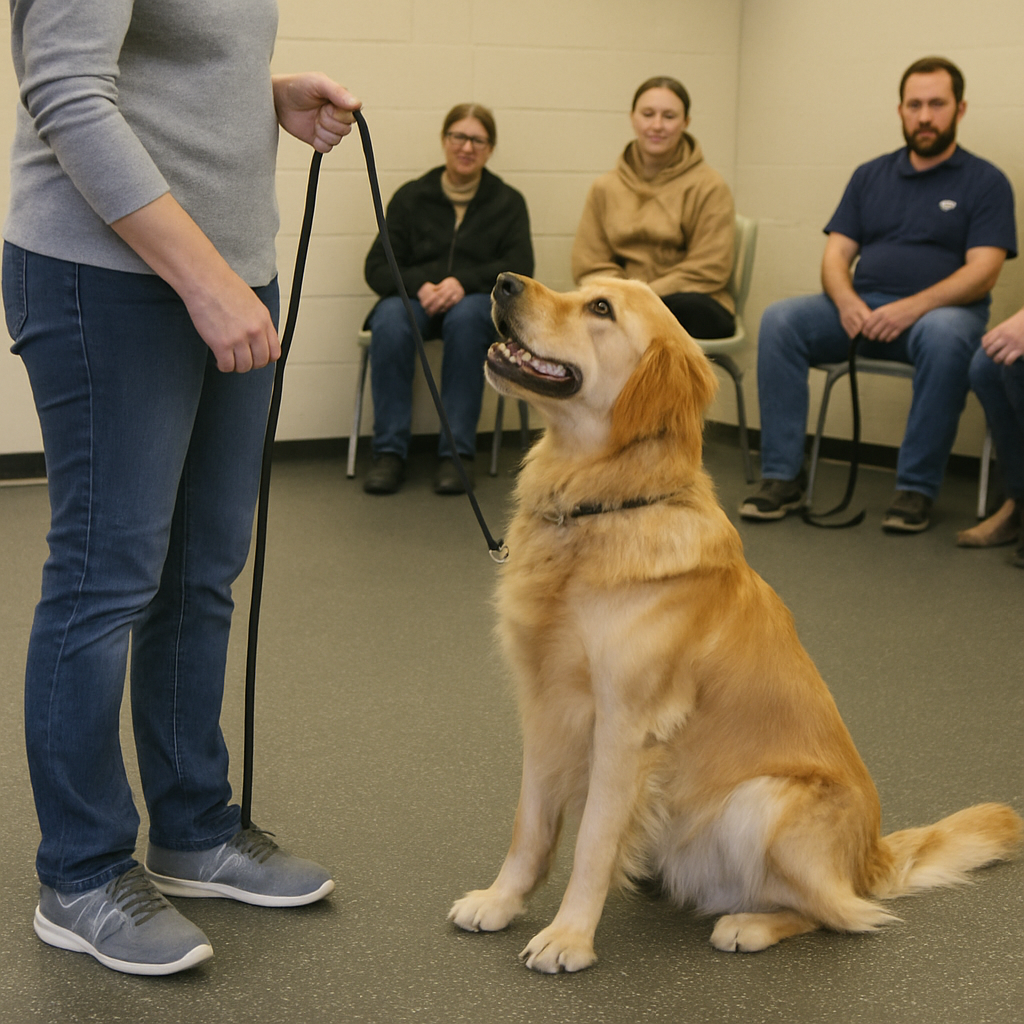
Having a well-behaved dog is a dream for many pet owners. Dogs that listen, follow commands, and exhibit good manners are not only a joy to be around but also safer and more manageable. Whether you’re dealing with a rowdy puppy or a stubborn older dog, obedience training is an essential part of ensuring that your dog is a delightful companion. But what exactly is obedience training, and why should your dog attend such a program? Let’s delve into the world of dog training and uncover the benefits.
Understanding Dog Obedience Training
What is Dog Obedience Training?
Dog obedience training is a structured program designed to teach your dog basic commands and proper behavior. These programs aim to instill a sense of discipline and control, allowing your dog to function well in both domestic and social environments. This training can occur in various formats, including dog training day camps, puppy obedience camps, and intensive puppy training sessions. The goal is to ensure your dog follows commands like “sit,” “stay,” “come,” and “heel,” which are crucial for safety and social interaction. In essence, obedience training is about building a communication bridge between you and your pet, ensuring that both understand each other’s signals and expectations.
Types of Dog Training Programs
There are numerous training options available, each catering to different needs and preferences:
- Dog Training Day Camp: A day camp where dogs learn basic commands and socialize with other dogs. This setup is perfect for dogs that need regular interaction and engagement to channel their energy positively.
- Puppy Bootcamp Training: Intensive training programs focused on puppies, usually lasting one to two weeks. These camps are designed to provide foundational training during the critical developmental stages of a puppy’s life.
- Stay and Train Dog Training: A program where your dog stays with a trainer for a set period, often referred to as overnight dog boot camp. This program is ideal for pet owners with busy schedules who still want their dogs to receive professional training.
- Drop Off Puppy Training: A convenient option where you drop off your dog for training sessions during the day. It provides flexibility for pet owners while ensuring consistent training for their dogs.

Benefits of Obedience Training
Improved Behavior
One of the primary benefits of obedience training is improved behavior. Dogs that have undergone training are less likely to exhibit undesirable behaviors such as jumping, barking excessively, or pulling on the leash. This makes them more pleasant to be around and easier to manage. Moreover, well-behaved dogs are often more welcome in public spaces, making outings more enjoyable for both the pet and the owner. Additionally, consistent training helps to curb habits that could potentially escalate into more severe behavioral issues if left unchecked.
Enhanced Safety
Commands learned during dog obedience training can significantly enhance your dog’s safety. For instance, a well-trained dog is more likely to respond to “stay” or “come” commands, preventing them from running into dangerous situations. This is particularly crucial in busy urban environments or areas with heavy traffic. Furthermore, trained dogs are less likely to engage in risky behaviors, such as chasing after cars or other animals, thereby reducing the risk of accidents. The ability to recall your dog at a moment’s notice is a powerful tool in ensuring their safety and well-being.
Stronger Bond with Your Dog
Training sessions create opportunities for you to bond with your dog. As you engage in training, you develop a deeper understanding of your dog’s needs and behaviors, leading to a stronger, more trusting relationship. The process of training is collaborative, requiring both the owner and the pet to work together towards common goals. This mutual effort fosters a sense of teamwork and enhances the emotional connection between you and your dog. As you celebrate training milestones, you reinforce positive interactions and build a foundation of trust and respect.
Socialization Opportunities
Obedience training camps, such as puppy training camps or doggie boot camps, provide excellent socialization opportunities. Your dog learns to interact with other dogs and people, reducing anxiety and aggression in social settings. Exposure to a variety of environments and stimuli helps dogs become well-adjusted and adaptable, making them more confident in unfamiliar situations. Socialization is a critical component of training, as it prepares your dog for the diverse experiences they will encounter throughout their life, ultimately contributing to their overall happiness and stability.
Choosing the Right Training Program
Finding a Dog Trainer Near You
Searching for a “dog trainer near me” is a good starting point. Look for trainers with positive reviews and a proven track record of successful training outcomes. It’s essential to choose a trainer who uses positive reinforcement techniques rather than harsh or punitive methods. Positive reinforcement builds trust and encourages learning by rewarding desired behaviors, making training a positive experience for your dog. Additionally, visiting potential trainers and observing their methods can provide insight into their training style and compatibility with your dog’s personality.
Consider Your Dog’s Needs
Different dogs have different training needs. For instance, a young puppy might benefit from a puppy potty training camp, while an older dog might need a dog behavior camp near you. Assess your dog’s specific needs and choose a program that addresses those areas. Consider factors such as your dog’s breed, temperament, and any behavioral issues that need to be addressed. Tailoring the training program to fit your dog’s unique requirements ensures a more effective and enjoyable learning experience for both you and your pet.
Program Duration and Intensity
Programs vary in duration and intensity. Options range from a 1 week dog training camp to a 3 week dog training camp. Consider how much time you can commit and how intensive you want the training to be. Shorter programs may be suitable for basic obedience training, while longer, more intensive programs might be necessary for addressing specific behavioral issues. Evaluate your schedule and your dog’s learning pace to select a program that provides the right balance of time and intensity for optimal results.

by Tonmoy Iftekhar (https://unsplash.com/@xalfa)
What to Expect from a Training Camp
Structure and Curriculum
Most dog obedience camps have a structured curriculum that includes basic commands, leash training, and socialization exercises. You can expect a mix of individual and group activities that cater to your dog’s learning pace. These programs are designed to be progressive, gradually building on skills to ensure comprehensive learning. A well-rounded curriculum ensures that your dog not only learns obedience but also gains confidence and becomes comfortable in various environments.
Trainer Interaction
Trainers play a crucial role in your dog’s success. They provide guidance, demonstrate techniques, and offer feedback on your dog’s progress. Regular communication with the trainer will help you reinforce training at home. A good trainer will also provide insights into your dog’s behavior and suggest strategies for addressing any challenges. This ongoing support is invaluable in maintaining consistency and ensuring that the training is both effective and enjoyable for your dog.
Progress and Milestones
Throughout the training, your dog will achieve various milestones. Celebrate these achievements, no matter how small, as they signify your dog’s progress and adaptability. Recognizing progress boosts your dog’s confidence and reinforces their learning. Milestones also provide a sense of accomplishment for both you and your dog, motivating you to continue the training journey. Tracking these milestones helps you assess the effectiveness of the training and make any necessary adjustments to your approach.
Reinforcing Training at Home
Consistency is Key
Consistency in commands and expectations is vital for reinforcing training. Ensure that everyone in your household uses the same commands and rewards to prevent confusion. A unified approach helps your dog understand what is expected of them and reduces the likelihood of mixed signals. Consistency extends beyond commands to daily routines, ensuring that your dog experiences a stable and predictable environment.
Practice Regularly
Regular practice sessions at home help reinforce the skills your dog learns at the training camp. Short, daily sessions are more effective than infrequent, lengthy ones. Incorporating training into your daily routine makes it a natural part of your dog’s life and encourages continuous learning. By practicing regularly, you strengthen your dog’s skills and prevent them from forgetting what they’ve learned.
Patience and Positive Reinforcement
Training takes time, and dogs learn at their own pace. Be patient and use positive reinforcement, such as treats and praise, to encourage desired behaviors. Celebrate your dog’s successes and remain calm and supportive when challenges arise. Understanding that each dog is unique and requires patience and encouragement will foster a positive training environment and promote lasting behavioral improvements.
Conclusion
Dog obedience training is a valuable investment in your dog’s future. From enhancing safety to improving behavior and strengthening your bond, the benefits are numerous. Whether you opt for a k9 boot camp near you or a puppy boot camp, the key is to find a program that suits your dog’s needs and your lifestyle. With dedication and the right approach, you’ll have a well-behaved, happy dog that is a joy to be around.
Remember, the journey of training is as rewarding as the destination. Each step along the way brings you and your dog closer together, enriching your relationship and enhancing your mutual understanding. Happy training!